


Overview of Vital Pulp Therapy
Vital pulp therapy is an approach aimed at preserving the healthy portion of the tissue when the living pulp tissue inside the tooth is affected by decay, trauma, or deep restorations. Its primary goal is to maintain the tooth’s vitality as much as possible and, when appropriate, reduce the need for root canal treatment.
Treatment may include removing decay, assessing the condition of the pulp, and protecting the affected area with biocompatible materials when necessary. Procedures such as pulp capping or pulpotomy may be considered depending on the extent of pulp involvement and the clinical findings of the tooth.
Vital pulp therapy may be considered for deep decay, fractures, trauma-related damage, and certain dental problems in childhood. However, the history of pain, clinical examination, radiographic findings, and the presence of infection directly influence the choice of treatment.
The healing potential of the pulp tissue is not the same for every tooth. Therefore, the treatment plan is tailored to the individual, taking into account factors such as the tooth’s developmental status, the depth of the decay, existing symptoms, and whether the restoration can be placed with an effective seal.
Primary goal
It aims to preserve the natural tooth structure as much as possible by protecting the tooth’s vital pulp tissue.
When is it considered?
It may be considered in cases of deep decay, trauma, fracture, or limited pulp involvement.
What does it involve?
It may include removing decay, assessing the pulp, and applying suitable protective materials.
Factors affecting treatment planning
The history of pain, examination findings, radiographic assessment, and signs of infection are important in the treatment decision.
Importance of follow-up
After treatment, the tooth’s symptoms and the condition of the restoration may be monitored to assess the pulp’s healing process.
Who May Be Suitable for Vital Pulp Therapy?
When assessing vital pulp therapy, the pulp’s vitality, the nature of the symptoms, the effects of decay or trauma, radiographic findings, and whether the tooth can be safely restored are considered together.
Teeth with deep decay
Vital pulp therapy may be considered when decay has come very close to the pulp tissue, but the tooth may still have the potential to remain vital.
Limited pulp involvement after trauma
This approach may be considered for teeth in which the pulp has been affected after an impact or fracture, but clinical and radiographic examination indicates potential for healing.
Young teeth with ongoing root development
Particularly in teeth whose root development is not yet complete, preserving pulp vitality may be important in the assessment because it can allow root formation to continue.
Teeth that can be safely restored
Suitability for vital pulp therapy may be assessed when the tooth is expected to be sealably and durably closed with a restoration after the decay is removed.
Symptoms and the pulp’s clinical response
The duration of pain, whether it starts spontaneously, sensitivity to hot and cold, and the response to examination tests provide information about the condition of the pulp tissue.
Radiographs and the tooth’s structural condition
Radiographic examination evaluates the tissues around the root, the depth of the decay, and root development; it also assesses whether the tooth can be preserved with an adequate restoration.
Signs of infection requiring assessment
If there is swelling, discharge, a marked change around the root, or findings suggestive of a widespread infection, the cause may need to be assessed first and a different treatment may need to be planned.
Situations in which the tooth cannot be adequately repaired
If a fracture or loss of tooth structure means that the tooth does not appear capable of being restored in a sealed and durable manner, alternative approaches to vital pulp therapy may be considered.
Possible Risks of Vital Pulp Therapy
The outcomes of vital pulp therapy may vary depending on the pulp’s initial condition, the extent of the decay or trauma, how effectively the tooth can be sealed with a restoration, and follow-up findings. Possible conditions that do not occur in every patient are assessed during examinations and follow-up visits.
Temporary sensitivity or discomfort
Temporary sensitivity to hot or cold, or during chewing, may occur after the procedure. The extent to which the pulp tissue was affected before treatment and the depth of the restoration placed are important when evaluating these symptoms.
Inadequate healing of the pulp
The pulp tissue being preserved may not always heal as expected. Persistent or increasing pain, prolonged sensitivity, or changes in clinical and X-ray findings may suggest that the pulp requires further treatment.
Subsequent need for root canal treatment
If inflammation or loss of vitality develops in the pulp tissue over time, vital pulp therapy may not be sufficient. In this case, root canal treatment or a different approach may need to be reconsidered depending on the condition of the tooth.
Leakage or fracture of the restoration
Leakage around the margins of the filling or other restoration placed after treatment, or fracture of the restoration, may increase the risk of bacteria reaching the inside of the tooth again. The integrity of the restoration and oral hygiene are important for long-term follow-up of the treatment.
Development of signs of infection
Pulp involvement that initially appears limited may, in some cases, progress to a more widespread inflammatory process. If signs such as swelling, spontaneous pain, marked discomfort when biting, or discharge from the gum develop, evaluation by a dentist is required.
How does vital pulp therapy proceed?
The process of vital pulp therapy begins with a detailed evaluation of the tooth’s current condition. The approach used is determined by the extent of pulpal involvement, the findings obtained during the procedure, and whether the tooth can be permanently sealed.
- 1
Clinical and radiographic evaluation
The dentist evaluates the symptoms and the clinical findings of the tooth and, when considered necessary, uses radiographic examination. At this stage, the depth of the decay, the condition of the pulp tissue, and possible changes in the surrounding tissues are assessed.
- 2
Preparing the tooth for the procedure
The tooth to be treated is cleaned and the working area is appropriately isolated. The aim is to reduce the access of saliva and bacteria to the tooth, allowing the decayed tissue to be removed in a controlled manner and the pulp to be evaluated.
- 3
Removal of decayed and affected tissue
Decayed or damaged tooth tissue is carefully removed. As the pulp tissue is approached, its appearance and the findings observed during the procedure are assessed; the amount of pulp to be preserved is determined accordingly.
- 4
Pulp preservation or limited intervention
Depending on the extent of pulpal involvement, a protective material may be applied over the pulp, or limited treatment may be performed on the affected portion of the pulp. The aim is to preserve healthy pulp tissue and create a suitable environment for healing.
- 5
Sealing the tooth with a restoration
Following the protective application, the tooth is sealed with a restoration designed to reduce bacterial leakage. The restoration’s durability and marginal adaptation are important for preserving the pulp and enabling the tooth to continue functioning.
- 6
Check-up and follow-up evaluation
After treatment, the tooth’s symptoms, clinical condition, and the integrity of the restoration are monitored. The findings obtained during follow-up help assess the pulp’s healing process; the monitoring plan may vary according to the scope of the treatment.
Alternative Approaches to Vital Pulp Therapy
The alternative to vital pulp therapy is determined by assessing the extent of pulpal involvement, signs of infection, the tooth’s development, and whether it can be safely sealed with a restoration. The appropriate option is clarified through clinical examination and radiographic findings.
Root Canal Treatment
Root canal treatment may be considered when the pulp tissue is irreversibly affected or signs of infection are present. During this procedure, the pulp tissue is removed, the root canals are cleaned and shaped, and then appropriately filled with the aim of retaining the tooth in the mouth.
Tooth Extraction and Replacement of the Missing Tooth
Extraction may be considered when insufficient healthy tooth structure remains, the infection cannot be brought under control, or preserving the tooth restoratively does not appear feasible. How the space left after extraction will be managed is planned by taking the adjacent teeth and chewing balance into account.
Diagnostic and Follow-up Technologies in Vital Pulp Therapy
In vital pulp therapy, technologies support the assessment of caries depth, the condition of the tissues surrounding the root, and the findings before and after treatment. The aim is to create sufficient records for the clinical decision regarding the likelihood of preserving the pulp.
Dental radiographs can help examine the relationship between caries and the pulp, as well as root development. Pulp sensibility tests, such as the cold test, are evaluated together with clinical examination findings; no single test can indicate the pulp’s health status on its own.
The selection of imaging and tests varies according to the patient’s age, symptoms, history of trauma, tooth development, and examination findings. After treatment, clinical check-ups and, when necessary, radiographic records contribute to monitoring the tooth’s healing process.
Dental radiographs
Two-dimensional dental radiographs can help assess caries depth, the appearance around the root tips, and the condition of developing roots.
Pulp sensibility tests
Tests using stimuli such as cold support the interpretation of the tooth’s response together with the pain history and examination findings.
Clinical assessment records
Recording the appearance of the pulp tissue during caries removal, bleeding control, and the tooth’s symptoms supports planning for pulp capping or pulpotomy.
Restoration planning
Whether the restoration placed after treatment can seal the tooth effectively is assessed based on the remaining tooth structure, the extent of caries, and, when necessary, the need for a protective restoration.
Follow-up imaging
Follow-up radiographs and clinical check-ups can help monitor new symptoms, the condition of the restoration, and changes around the root.
Recovery After Vital Pulp Therapy
Recovery after vital pulp therapy may vary from person to person depending on the pulp’s initial condition, the scope of the procedure, and the restoration of the tooth. Your dentist’s care and follow-up recommendations take priority; new, worsening, or persistent symptoms may require clinical evaluation.
- 1
Monitoring sensitivity in the early period
The treated tooth may be sensitive for a short time or feel mildly uncomfortable when chewing. Symptoms are expected to decrease over time; it is important to inform the clinic about symptoms that worsen, persist, or affect daily life.
- 2
Protecting the restoration
The filling or other restoration placed on the tooth plays an important role in protecting the pulp. It may be helpful to avoid stressing the tooth with very hard foods and to monitor for breakage, cracking, or a feeling that the restoration is high when you bite.
- 3
Evaluating the pulpal response
The pulp’s response to treatment may be monitored through your symptoms, a clinical examination, and imaging if your dentist considers it necessary. A comfortable tooth may be a positive finding; however, each tooth has a different healing potential and follow-up requirement.
Maintain regular oral care
Cleaning your teeth and gumline gently, regularly, and effectively helps reduce the risk of new decay. Follow the oral care approach recommended by your dentist.
Protect the treated tooth
Avoid cracking hard-shelled foods with the treated tooth or using your teeth as tools. Inform the clinic if you notice damage to or displacement of the restoration.
Increasing or spontaneous pain
Contact your clinic if the pain gradually intensifies, starts spontaneously, wakes you at night, or continues for a long time after exposure to hot or cold.
Swelling or serious accompanying symptoms
If swelling of the gum or face, discharge, fever, marked difficulty opening your mouth, or difficulty swallowing or breathing develops, contact the clinic or seek emergency medical care without delay.
Factors affecting the cost of vital pulp therapy
The cost of vital pulp therapy may vary depending on the extent of pulpal involvement and the scope of the procedure required. The exact fee is determined after a clinical examination, any necessary radiographic assessment, and the preparation of a tooth-specific treatment plan.
Extent of pulpal involvement and treatment approach
Different approaches, such as pulp capping or pulpotomy, may be considered to preserve the vitality of the pulp. The effect of caries or trauma on the pulp, the clinical assessment performed during the procedure, and the scope of treatment may affect the overall plan.
Depth of decay and loss of tooth structure
The extent to which the decay has progressed and how much sound tooth structure remains determine the scope of the cleaning and protective stages. When there is more extensive tissue loss, planning for a leak-tight restoration after treatment may also change.
Need for imaging and clinical assessment
A history of pain, signs of sensitivity, and suspected infection may require assessment of the area around the tooth root and the condition of the pulp. Any necessary radiographic examinations help support the selection of the appropriate treatment and may affect the overall scope.
Protective material and restoration to be used
The biocompatible material selected to protect the pulp tissue and the quality of the filling placed after the procedure affect the planned stages of treatment. Restoring the tooth so that it is protected from external factors and leakage is clinically important.
Stage of tooth development and follow-up after treatment
The assessment and follow-up needs of developing teeth in children may differ from those of adult teeth. Monitoring symptoms, pulp healing, and the condition of the restoration after treatment may be taken into account in clinical planning.
Temporary price estimate
€100 – €500
This preliminary estimate is not the clinic’s definitive price quote; the actual fee will be determined after the examination and individualized treatment plan have been completed.
Before / After

Frequently Asked Questions About Vital Pulp Therapy
What is the primary purpose of vital pulp therapy?
The purpose of vital pulp therapy is to preserve the healthy portion of the living pulp tissue inside the tooth. Under suitable conditions, it may help maintain the tooth’s vitality and may aim to reduce the need for root canal treatment.
Who may be a suitable candidate for vital pulp therapy?
It may be considered for teeth with deep decay, trauma, fractures, or limited pulpal involvement. However, suitability is determined based on the history of pain, clinical examination and radiographic findings, signs of infection, and the tooth’s stage of development.
What is done during vital pulp therapy?
Treatment generally involves removing the decayed or affected area and assessing the condition of the pulp. Depending on the clinical findings, an approach such as pulp capping or pulpotomy may be selected; the tooth is then protected with appropriate materials.
Does vital pulp therapy replace root canal treatment?
Vital pulp therapy does not replace root canal treatment in every case. When the extent of pulpal involvement, the presence of infection, and the clinical condition of the tooth are appropriate, it may be considered as an option aimed at preserving the pulp.
Can the tooth be sensitive or painful after treatment?
Symptoms may occur in the tooth after treatment, and their course should be assessed clinically. If symptoms persist, worsen, or develop newly, contacting your dentist is important for checking the pulp and the restoration.
Is follow-up necessary after vital pulp therapy?
Yes, follow-up is an important part of the treatment. During check-ups, the tooth’s symptoms, findings related to the pulp’s healing process, and the restoration’s seal are assessed so that the next approach can be planned.
What factors affect the success of the treatment?
The outcome may be affected by the pulp’s initial condition, the depth of the decay, signs of infection, the tooth’s stage of development, and the application of a properly sealed restoration. Therefore, the same outcome cannot be expected for every tooth, and planning is tailored to the individual.
Medical sources
View medical sources
Medically reviewed by

Nilufar Tulanova Şener
Cosmetic Dentist
View doctor profile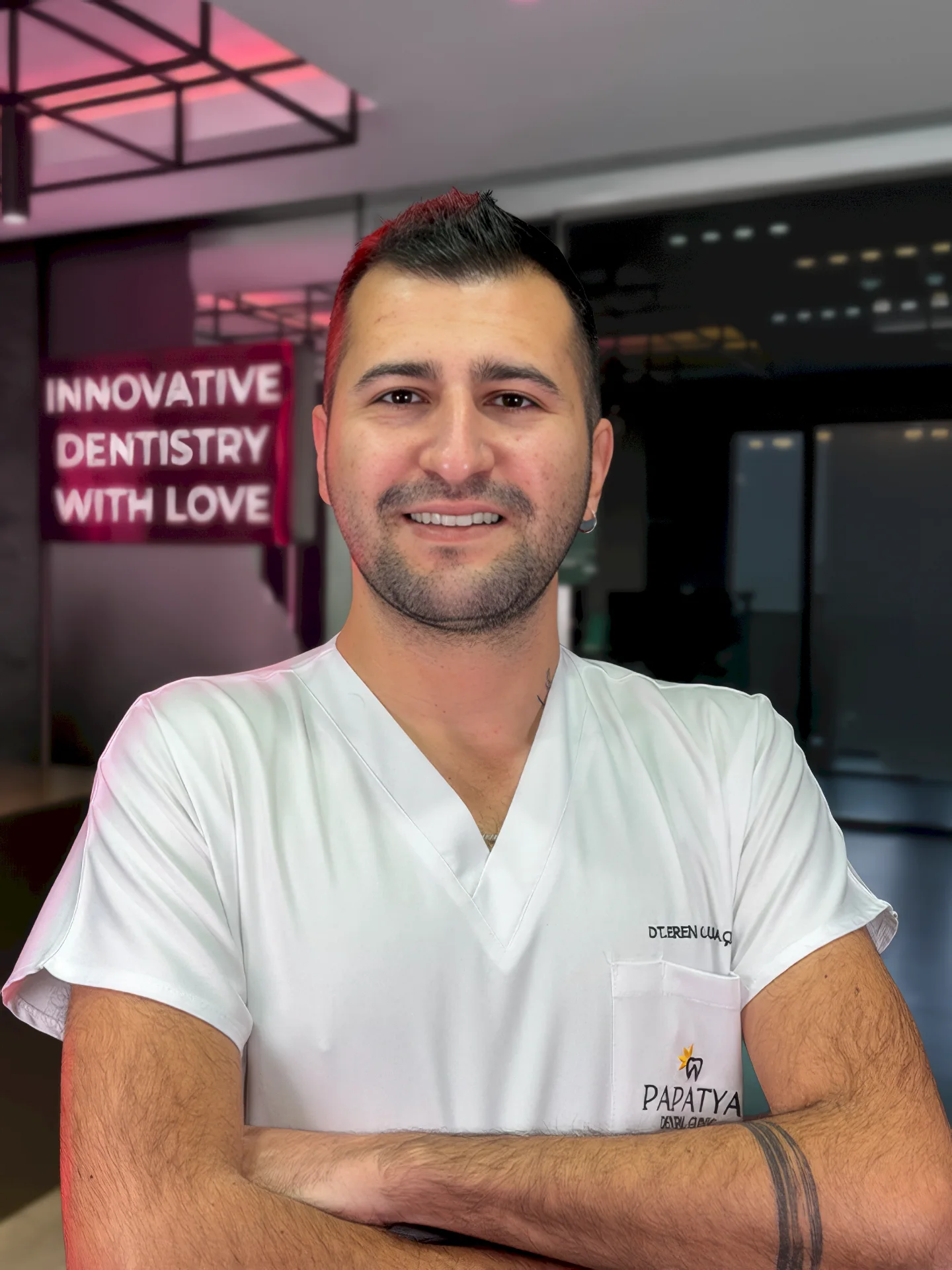
Eren Koluaçık
Cosmetic Dentist
View doctor profile
Samed Kağan Bozkurt
Cosmetic Dentist
View doctor profileLast medical review: 10 August 2026