


Overview of Full-Arch Implant Treatment
Full-arch implant treatment is a treatment approach that involves placing implants in the jawbone to support fixed or removable prostheses when all teeth in the upper or lower jaw are missing or the remaining teeth cannot be preserved. Its primary aim is to support chewing function and oral balance.
The treatment plan may include steps such as evaluating the gums and jawbone structure, addressing teeth considered suitable for treatment, positioning the implants, and preparing the planned prosthesis to be placed on them. The type of prosthesis to be used is determined according to the intraoral conditions and expectations.
Full-arch implants may be considered for people who have been edentulous for a long time, have difficulty using their existing prosthesis, or need comprehensive restoration due to extensive tooth loss. However, the suitability of implant treatment is determined after an examination, taking factors such as general health, bone volume, and oral hygiene into account.
The bone structure, occlusal relationship, gum health, and aesthetic expectations of each jaw differ. Therefore, personalised planning based on clinical and radiological examinations plays an important role in determining implant placement and the functional design of the prosthesis.
Purpose of the treatment
To plan a comprehensive dental restoration to replace missing teeth and support chewing and speech functions.
Who may be considered?
It may be considered for people with complete edentulism, extensive tooth loss, or difficulty using their existing prosthesis.
The role of the implants
Implants placed in the jawbone create support points for the planned fixed or removable prosthesis.
What is assessed during planning?
Jawbone volume, gum health, occlusion, general health information, and oral hygiene are assessed together.
Prosthesis options
Depending on the intraoral conditions, implant-supported fixed prostheses or implant-retained removable prostheses may be planned.
Who May Be Suitable for Full-Arch Implant Treatment?
Suitability for full-arch implant treatment is determined by assessing the condition of the remaining teeth, the structure of the jawbone, gum health, general health information, oral care habits, and whether the planned prosthesis meets the patient’s expectations.
People with complete tooth loss
For people who have no teeth in the upper or lower jaw, full-arch implant treatment may be considered based on examination and imaging findings to provide support for the prosthesis.
People with extensive tooth loss that cannot be preserved
When many teeth are severely damaged, mobile, or not expected to be maintainable in the long term, a comprehensive implant-supported restoration plan may be considered.
People experiencing retention problems with removable dentures
For people whose existing complete denture moves while speaking or chewing, implant-supported removable or fixed prosthesis options may be considered.
People with significantly reduced chewing function
For people who cannot chew adequately because of extensive tooth loss, treatment planning may be carried out after examining the intraoral conditions and the state of the opposing jaw.
Assessment of bone and anatomical structures
Clinical and radiological examinations assess bone volume and density, as well as anatomical structures such as the sinuses and nerve canal; implant positions are planned accordingly.
Determining the bite and prosthetic plan
The relationship between the jaws, facial and lip support, chewing forces, and expectations regarding a fixed or removable prosthesis are assessed together.
Uncontrolled oral problems
In the presence of active gum disease, infection, unhealed extraction sites, or conditions that make oral hygiene difficult, these problems may need to be managed before implant planning.
General health requiring further assessment
When certain systemic diseases, regularly used medications, or habits that may affect healing are present, the timing and approach of treatment are determined through a clinician’s assessment.
Potential Risks of Full-Arch Implant Treatment
The risks of full-arch implant treatment may vary depending on general health, jawbone structure, gum health, the planned number of implants, and any additional procedures. Examination and radiological evaluation are important for determining an appropriate approach and discussing potential risks.
Temporary postoperative discomfort
Pain, swelling, mild bleeding, bruising, or temporary sensitivity when moving the jaw may occur after implant placement. The severity of these effects varies according to the scope of the procedure and the individual’s healing response; increasing or unexpected symptoms should be assessed.
Infection and healing problems
An infection may develop at the surgical site, or the wound may not heal as expected. Inadequate oral hygiene, certain general health conditions, and failure to follow the recommended care are among the factors considered when assessing this risk.
Insufficient integration of the implant with the bone
In some cases, the implant may not integrate with the jawbone to the desired extent or may lose stability during the healing period. Bone quantity and quality, oral hygiene, smoking, and the forces applied to the implant are clinically evaluated in relation to this situation.
Proximity to nerves, sinuses, or adjacent structures
Nerve canals, the maxillary sinuses, or adjacent anatomical structures may be located in the area where the implants will be positioned. Rarely, these structures may be affected, causing numbness, tingling, or sinus-related problems. Detailed planning with imaging is therefore carried out.
Prosthetic and bite-related problems
The prosthesis placed on the implants may loosen, fracture, or wear, and discomfort related to bite forces may occur. Difficulty cleaning the prosthesis or uneven forces may require the tissues around the implants and the prosthetic components to be monitored through regular check-ups.
Disease of the tissues around the implant
Gum inflammation related to plaque buildup around the implant and, in more advanced cases, bone loss may develop. Signs such as bleeding, swelling, bad odor, or sensitivity may occur. Daily care and professional check-ups are important for detecting this risk early.
How does full-arch implant treatment proceed?
The full-arch implant treatment process begins with an intraoral and radiological assessment, followed by surgical placement and a healing period, and continues with preparation of the planned prosthesis. The scope of the stages may vary depending on the jaw structure and treatment plan.
- 1
Clinical and radiological assessment
The gums, jawbone, bite relationship and existing intraoral condition are examined in detail. Radiological images help assess the areas where implants can be placed and establish the overall treatment plan.
- 2
Preparing the mouth for treatment
Teeth that cannot be preserved according to the treatment plan, sources of infection and gum problems are addressed. When necessary, additional procedures involving the jawbone and soft tissues may be planned to support implant placement.
- 3
Implant placement
The implants are placed in the jawbone at the predetermined locations. The scope of the procedure, the distribution of the implants and any other procedures that can be performed during the same period vary according to the bone structure, intraoral conditions and planned prosthesis.
- 4
Healing and monitoring of the implants
During the period in which the integration of the implants with the jawbone is monitored, oral hygiene and check-ups are important. The dentist evaluates the healing process and checks whether the intraoral conditions are suitable for moving on to the prosthetic stage.
- 5
Prosthesis impression and design
Impressions are taken and the bite relationship is assessed to prepare the prosthesis that will be placed on the implants. Whether the prosthesis is fixed or removable, as well as its appearance, is planned according to speech and chewing needs.
- 6
Prosthesis delivery and regular maintenance
The prepared prosthesis is fitted onto the implants, and the bite and comfort during use are checked. For treatment continuity, home oral care, prosthesis cleaning and regular dental check-ups should not be neglected.
Alternatives to Full-Arch Implant Treatment
Options for full-arch restoration are determined by assessing the condition of the remaining teeth, jawbone, gum health, the bite relationship, and the person’s expectations from the prosthesis together. The appropriate approach is planned after clinical and radiological examination.
Traditional Complete Removable Denture
When all teeth are missing in the upper or lower jaw, removable complete dentures supported by the gum and jaw tissues may be considered. They are intended to support the appearance of the teeth as well as chewing and speaking functions without placing surgical implants.
Implant-Supported Removable Denture
Dentures supported by implants placed in the jawbone but removable for cleaning may be an option. Compared with a complete removable denture, this approach may be planned to improve the denture’s retention in the mouth.
Partial Denture Planning While Preserving the Remaining Teeth
When some teeth in the mouth can be preserved, removable or fixed partial dentures that make use of these teeth may be considered instead of extracting all the teeth. The feasibility of this approach depends on the long-term condition of the teeth and surrounding tissues.
Digital Imaging and Planning for Full-Arch Implants
In full-arch implant treatment, imaging, intraoral records, and prosthetic planning help assess the structure of the jawbone, the areas available for implant placement, and the intended arrangement of the teeth together. The aim is to support coordinated planning of the surgical and prosthetic stages.
Panoramic radiography and, when necessary, three-dimensional imaging methods may be used to examine bone volume and the position of anatomical structures. Intraoral scans, impressions, or photographic records may provide additional information about occlusion, the appearance of the gums, and prosthesis design.
The records to be obtained are determined by the clinician according to the condition of the existing teeth, the bone structure, the planned type of prosthesis, and clinical requirements. These tools support the decision-making process; the final plan is developed together with the examination findings and the individual’s general health status.
Panoramic radiographic assessment
Helps examine the overall appearance of the jaws, the condition of existing teeth and roots, bone levels, and areas that may affect comprehensive planning.
Three-dimensional jaw imaging
When necessary, it may be used to assess in greater detail the width and height of the bone and the location of anatomical structures such as the nerve canal and sinus cavity.
Intraoral scanning and impression records
Helps record gum contours, the relationship between existing prostheses or teeth, and the way the jaws come together in occlusion; it also helps assess the design of the planned prosthesis.
Prosthesis-focused digital planning
May support considering together the position of the planned teeth, the occlusal relationship targeted for speech and chewing, and the areas designated for implant placement.
Surgical guide planning
In suitable cases, surgical guides may be prepared using imaging and impression records to support placement of the implants according to their planned positions.
Recovery After Full-Arch Implant Treatment
Recovery after full-arch implant treatment may vary depending on the scope of the procedure, the condition of the jawbone and gums, overall health, and oral care. Your dentist’s personalized instructions on care, nutrition, prosthesis use, and follow-up appointments always take priority.
- 1
Initial recovery after the procedure
Tenderness, mild swelling, oozing-type bleeding, or difficulty chewing may occur in the treatment area. During this period, it is important not to strain the mouth, irritate the treatment area, or disregard your dentist’s dietary instructions.
- 2
Gum and soft-tissue adaptation
A feeling of tightness and tenderness may gradually decrease as the gums heal. If a temporary prosthesis is being used, adapting to changes in speaking and chewing habits may take time. Do not alter the prosthesis yourself if you experience rubbing, pressure, or a feeling that it does not fit properly.
- 3
Osseointegration of the implants
The integration of the implants with the jawbone is clinically assessed according to individual intraoral conditions and the planned treatment. During this process, it is important not to place excessive load on the implants, to follow instructions regarding prosthesis use, and not to miss scheduled check-ups.
- 4
Adapting to daily use with the prosthesis
With use of the planned prosthesis, chewing, speaking, and cleaning habits may gradually adapt. If you notice changes in your bite, significant discomfort, or movement of the prosthesis, a clinical assessment may be necessary.
Maintain careful oral hygiene
Keep the areas around the implants, the gums, and the prosthesis surfaces clean using the method shown by your dentist. Use recommended auxiliary cleaning tools only as instructed.
Increase chewing load gradually and in a controlled manner
Follow the instructions you were given regarding food choices and chewing force. Avoid putting strain on the prosthesis with hard or sticky foods, and consult your clinic if you experience discomfort.
Increasing pain or signs of infection
Contact your clinic without delay if you notice pain that is becoming more pronounced instead of decreasing, widespread swelling, ongoing or recurring bleeding, a bad taste, bad odor, or discharge.
Movement or a feeling of poor fit in the prosthesis
Contact the clinic for an assessment if you notice movement or breakage of the prosthesis, a sharp edge, a change in your bite, or pronounced tenderness around an implant.
Factors Affecting the Cost of Full-Arch Implant Treatment
The cost of full-arch implant treatment varies according to the structure of your mouth and jaws and the scope of the planned restoration. The exact fee becomes clear after the clinical and radiological examination, general health assessment, and your individual treatment plan have been completed.
Number of jaws to be treated
Whether the treatment covers only the upper or lower jaw, or both jaws, directly affects the overall scope of the implants, prostheses, and clinical procedures to be planned.
Jawbone and gum conditions
Bone volume, bone density, and gum health are assessed for implant placement. If the existing oral conditions require additional preparation before treatment, this may change the scope of the plan.
Condition of existing teeth and tissues
The presence of teeth that cannot be preserved or the identification of conditions requiring treatment in the mouth may affect the procedures performed before implant placement and the sequence of treatment.
Number and placement plan of the implants
The number of implants and their positions within the jaw are determined according to the bone structure, occlusal relationship, and forces the prosthesis will bear. This planning affects the scope of the surgical and prosthetic components used.
Type and design of the planned prosthesis
Planning either a fixed prosthesis on the implants or an implant-supported removable prosthesis, as well as the functional and aesthetic design of the prosthesis, may change the content of the laboratory and clinical procedures.
Diagnostic examination and individual planning
An intraoral examination, radiological assessment, and occlusal analysis help determine the safe positioning of the implants and the prosthesis design. The scope of planning required by the examination may be reflected in the cost.
Temporary price estimate
€6,000 – €30,000
This approximate estimate is not the clinic’s definitive price quote; the actual fee becomes clear after the examination and individual treatment plan have been completed.
Before / After

Frequently Asked Questions About Full-Arch Implant Treatment
What is the primary purpose of full-arch implant treatment?
The primary purpose is to create a comprehensive restoration that replaces missing teeth while supporting chewing and speaking functions. By providing support points in the jawbone for the planned prosthesis, implants aim to contribute to balance within the mouth.
Is full-arch implant treatment suitable for everyone?
No, suitability varies from person to person. Overall health, the amount and structure of the jawbone, gum health, oral hygiene, and the condition of the existing teeth should be evaluated together with a clinical examination.
Which examinations are performed during treatment planning?
During planning, the jawbone, gums, bite relationship, and existing oral conditions are evaluated through a clinical examination and radiological assessments. This information helps determine the position of the implants and the functional design of the prosthesis on an individual basis.
Are fixed or removable prostheses used with full-arch implants?
Fixed or implant-supported removable prosthesis options may be considered. The appropriate type of prosthesis is determined by taking into account the intraoral conditions, bone and gum structure, bite arrangement, and the person’s expectations.
Can people who have difficulty using their current dentures receive implants?
People who have difficulty using their current prosthesis may be evaluated for full-arch implant treatment. However, the suitability of implant placement and the prosthetic option becomes clear after an examination, based on the oral and general health conditions.
How are existing teeth evaluated during full-arch implant treatment?
Teeth that can be preserved and teeth requiring treatment or that cannot be preserved are evaluated separately during planning. This evaluation may affect how the comprehensive restoration proceeds and the approach to implant placement.
Is oral care important after full-arch implants?
Yes, oral hygiene is an important factor in treatment planning and subsequent follow-up. The care and check-ups recommended by the dentist should be carried out regularly to support the health of the tissues around the implants and the prosthesis placed on them.
Medical sources
View medical sources
Medically reviewed by

Ahmet Metin Bal
Chief Physician
View doctor profile
Nilufar Tulanova Şener
Cosmetic Dentist
View doctor profile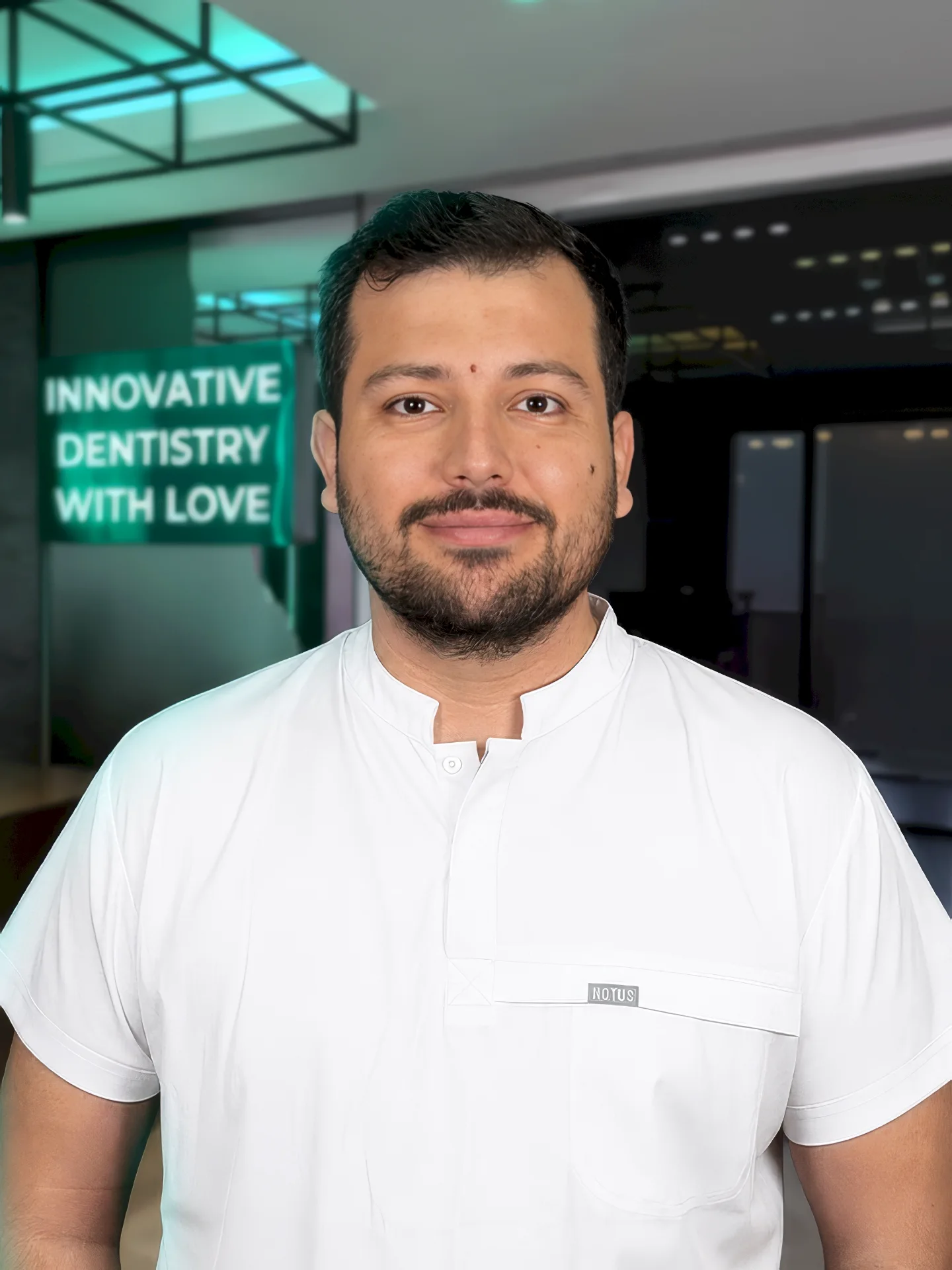
Ali Bulut
Specialist Oral, Dental and Maxillofacial Surgeon
View doctor profileLast medical review: 10 August 2026