


Overview of Porcelain Crown Treatment
A porcelain crown is a fixed covering placed over a tooth with loss of tooth structure due to decay, fracture, wear, or extensive restorations. It is intended to support the tooth’s form, chewing function, and appearance.
As part of the treatment, the condition of the tooth and surrounding tissues is assessed, the necessary preparation is carried out, and a crown suited to the tooth’s measurements is planned. The crown’s color, shape, and harmony with adjacent teeth are considered for a natural appearance and balanced bite.
Porcelain crowns may be considered to protect teeth that have become fragile after root canal treatment, strengthen teeth with large fillings, or correct irregularities in color and shape. However, the same approach may not be suitable for every tooth.
Planning is personalized according to factors such as the amount of healthy tooth structure remaining, gum health, bite relationship, and oral hygiene. Examination and any necessary investigations help determine whether crown treatment is appropriate and which steps should be followed.
What is a crown?
A crown is a fixed restoration that surrounds the visible part of a tooth and supports its structure.
When is it considered?
It may be considered for teeth that are fractured, worn, heavily restored, discolored, or structurally weakened.
The role of porcelain
Porcelain is an aesthetic covering material that helps imitate the color and light transmission of natural teeth.
What is assessed during planning?
The tooth’s strength, the condition of its root and gums, the bite arrangement, and the characteristics of adjacent teeth are assessed.
Personalized fit
The crown’s color, form, and size are planned with consideration for harmony with the other teeth in the mouth.
Who May Be Suitable for Porcelain Crown Treatment?
Suitability for a porcelain crown is determined by evaluating together the tooth’s need for restorative support, the condition of the root and surrounding tissues, chewing forces, aesthetic expectations, and oral hygiene habits.
Teeth with extensive loss of tooth structure
A porcelain crown may be considered for teeth that have lost substantial tooth structure after decay removal, fracture, or replacement of old restorations, in order to support the remaining structure.
Root canal-treated teeth
For teeth at risk of structural weakening after root canal treatment, a crown may be planned to help protect against fracture and support chewing function.
Teeth with changes in shape or colour
For individual teeth with pronounced discolouration, altered shape, or wear, a porcelain crown may be considered to achieve a more balanced appearance.
Large fillings that require frequent replacement
For teeth with extensive fillings and a risk of recurrent problems around the filling margins, a more comprehensive restoration may be considered when the existing tooth structure is suitable.
Condition of the tooth root and supporting tissues
Clinical examination and any necessary radiographic evaluations are used to assess the tissues around the root, signs of existing infection, bone support, and the tooth’s potential for long-term preservation.
Occlusal forces and space for the restoration
The relationship between the teeth when biting, signs of nighttime clenching or grinding, and whether sufficient space is available for the crown are examined to plan the design and material selection.
Active gum or periapical problems
In the presence of active gum inflammation, advanced periodontal problems, or an infection associated with the root tip, these conditions may need to be brought under control before crown planning.
Insufficient tooth structure and support
If insufficient sound tooth structure remains to support a crown, there is significant mobility, or the restoration margin cannot be created in a healthy manner, alternative approaches may be considered.
Possible Risks of Porcelain Crown Treatment
The possible risks of porcelain crown treatment may vary depending on the current condition of the tooth, the amount of remaining healthy tissue, gum health, the bite relationship, and the scope of the procedure. Examination and any necessary investigations are important for appropriate treatment planning and determining precautions that may be taken.
Temporary sensitivity
Temporary sensitivity to hot, cold, sweet foods or pressure may occur after the tooth is prepared. This may be related to the tooth tissue being affected by the procedure; severe, prolonged, or spontaneous pain should be evaluated separately.
Effect on the nerve tissue
In teeth with deep decay, large old fillings, or extensive preparation, the nerve tissue called the pulp may be affected. In some cases, root canal treatment may be required before or after crown placement if pain or inflammation develops.
Crown fit and discomfort when biting
The fit of the crown margins or the contacts between the teeth when biting may feel different from expected. High contacts may cause sensitivity during chewing, a feeling of pressure, or discomfort in the opposing tooth, so the crown is checked and minor adjustments are made if necessary.
Crown fracture or dislodgement
The porcelain material may crack or fracture under forces such as biting hard foods, clenching the teeth, or trauma. The crown may loosen or come off if the cement bond is affected over time; repair or replacement may be necessary.
Gum irritation and margin problems
Plaque accumulation around the crown margin, inadequate oral hygiene, or existing gum disease may contribute to gum redness, bleeding, and sensitivity. The fit of the crown margin with the gum and regular maintenance are important when assessing this risk.
Decay developing in the tooth beneath the crown
A crown does not completely protect a tooth from decay. Decay may develop in the tooth tissue beneath the crown, particularly if plaque accumulates around the crown margin or the cement seal deteriorates; check-ups and daily oral care are important for early detection.
How does porcelain crown treatment proceed?
Porcelain crown treatment includes preparation, impression taking, laboratory fabrication, and placement, planned according to the clinical condition of the tooth. The details of the process may vary depending on the tooth’s structure and any additional procedures required.
- 1
Clinical evaluation and treatment planning
The tooth, surrounding tissues, and occlusal relationship are examined; a treatment plan is created based on the necessary imaging and assessments. The crown’s color, shape, and harmony with the neighboring teeth begin to be determined at this stage.
- 2
Preparing the tooth for the crown
The necessary adjustments are made to the tooth surface to allow the crown to fit. Any decay or existing restorations are assessed, the tooth tissue is prepared appropriately, and the need for support is reviewed.
- 3
Taking impressions and recording the shade
Impressions are taken of the prepared tooth, the opposing arch, and the surrounding teeth. Records concerning color, shape, and occlusion are sent to the laboratory to help the crown harmonize with the natural teeth.
- 4
Temporary protection period
A temporary restoration may be placed to protect the tooth from external factors and support its appearance while the permanent crown is being prepared. During this period, advice is provided on eating and oral care to help prevent the temporary restoration from becoming displaced.
- 5
Trying in and cementing the crown
The fit of the porcelain crown on the tooth, its contact with the neighboring teeth, its color, and its occlusal harmony are checked. After the necessary adjustments are completed, the crown is permanently cemented.
- 6
Follow-up and continued care
After the crown is placed, the gum fit and contacts that occur during chewing are monitored. Regular brushing, cleaning between the teeth, and routine checkups help protect the tissues around the crown.
Alternatives to Porcelain Crown Treatment
Options that may be considered instead of a porcelain crown vary depending on the extent of tooth structure loss, the amount of remaining sound tissue, aesthetic expectations, and the occlusal relationship. The appropriate approach is determined after a clinical examination and any necessary evaluations.
Composite Filling or Aesthetic Bonding
For teeth with more limited loss of structure, a composite resin filling or bonding procedure may be considered. This method aims to restore missing or fractured parts of the tooth; however, it may not be sufficient for teeth requiring extensive structural support.
Porcelain Veneers or Inlay-Onlay Restorations
Instead of covering the entire tooth, porcelain veneers, inlays, or onlays that restore only the surfaces that require treatment may be considered in some cases. They may offer a more conservative approach, particularly for color and shape problems in the front teeth or for loss of tooth structure in specific areas.
Porcelain-Fused-to-Metal or All-Ceramic Crown
When restoration with a crown is required, the framework beneath the porcelain and the material used can be changed. Porcelain-fused-to-metal crowns or all-ceramic crowns may be considered based on the tooth’s location, aesthetic requirements, chewing load, and occlusal characteristics.
Prosthetic Options After Tooth Extraction
In some cases where the tooth structure is insufficient for restoration, extraction may be considered. Options such as an implant-supported restoration, bridge, or removable prosthesis may be planned to replace the missing tooth, taking the condition of the neighboring teeth and intraoral conditions into account.
Digital and Clinical Planning for Porcelain Crowns
For porcelain crown planning, intraoral examination, radiographic assessments, impression-taking methods, and shade evaluation may help assess the tooth structure, surrounding tissues, and occlusal relationship. These records are used to plan the crown’s form and fit.
When necessary, a three-dimensional record of the teeth may be obtained using conventional impressions or digital intraoral scans. These records may provide data for laboratory fabrication; however, the method to be used is determined by the dentist according to the tooth’s position, gingival margins, and clinical conditions.
Radiographs may provide additional information about the roots, bone, and existing restorations, while occlusal checks support the assessment of chewing forces. Technological records complement the clinical examination and do not replace treatment decisions.
Intraoral and radiographic assessment
Together with the clinical examination, radiographs deemed appropriate may help assess the tissues around the root, suspected decay, the condition of existing restorations, and the bone supporting the tooth.
Digital or conventional impression
Records obtained through intraoral scanning or impression materials support transferring the prepared tooth’s margins and its relationships with adjacent teeth to the laboratory stage.
Occlusal record and articulation
Occlusal records help examine the contact points between the upper and lower teeth. They may be used in planning to prevent the crown from creating excessive or insufficient contact during chewing.
Shade and shape assessment
Shade guides, photographs, and observation of adjacent teeth may help plan the porcelain’s shade, translucency, and surface characteristics to harmonize with the natural teeth in the mouth.
Laboratory fabrication data
Impression, scan, and occlusal records may be sent to the laboratory and form the basis for designing the crown. The fabrication technique and material selection are assessed according to the clinical requirements.
Recovery and Adjustment After a Porcelain Crown
Recovery after a porcelain crown and getting used to the new restoration may vary from person to person depending on the extent of the procedure and the initial condition of the tooth and gums. Your dentist’s care and follow-up recommendations take priority; ongoing discomfort may require clinical evaluation.
- 1
Sensitivity and adjustment in the first few days
Temporary sensitivity, a mild sensation of pressure, or discomfort with hot or cold may occur in the treated tooth or the surrounding gums. The surface and shape of the new crown may initially feel different; this sensation may generally lessen as your mouth adjusts.
- 2
Noticing chewing contacts
After the crown is placed, contact between the teeth may feel more noticeable during chewing. If an early contact or a sensation that the crown is too high persists when biting, you should contact your clinic rather than trying to adjust the crown yourself.
- 3
Adjustment of the gums and crown margin
The gum around the crown margin may feel sensitive or mildly irritated for a while after the procedure. Regular, gentle oral care helps reduce plaque buildup where the crown meets the natural tooth and supports gum health.
- 4
Monitoring long-term use
The condition of the crown and surrounding tissues may be affected by oral hygiene, chewing habits, and bite forces. During the follow-up visits recommended by your dentist, the crown’s fit, gum health, and the surrounding dental tissues are assessed.
Clean around the crown gently
Brush your teeth regularly and gently, and clean between your teeth using the method recommended by your dentist. Keeping the crown margin clean supports gum health.
Avoid excessive force on the crown
Avoid breaking hard objects with your teeth, opening packages, or using the crown as a tool. Tell your dentist if you clench or grind your teeth.
A persistent feeling of height when biting
If you feel that the crown makes contact first when you bite, or if you experience persistent pain or discomfort while chewing, contact the clinic so your bite can be assessed.
Increasing pain or gum symptoms
If you notice increasing pain, pronounced swelling, prolonged bleeding, a bad taste, or discharge, contact your clinic without delay.
Factors Affecting the Cost of Porcelain Crown Treatment
The cost of porcelain crown treatment depends not only on the crown itself, but also on the current condition of the tooth, the characteristics of the planned restoration, and any necessary preparatory procedures. The exact fee may become clear after an examination and an individualized treatment plan.
The tooth’s existing structure and need for support
The amount of healthy tooth tissue remaining, the condition of any existing filling, and the presence of fractures or decay are assessed. Whether additional restorative preparation is needed for the tooth to safely support the crown may affect the scope and cost of treatment.
Root, root canal treatment, and surrounding tissue findings
The tooth’s root structure, the condition of any previous root canal treatment, and the health of the surrounding tissues are important in treatment planning. If an evaluation or treatment targeting these areas is found to be necessary before the crown is placed, the overall scope may change.
The porcelain structure and manufacturing characteristics of the crown
The structure of the porcelain crown is planned according to the durability and aesthetic requirements. Particularly in the front region, the desired color, light transmission, and harmony with the natural teeth may affect the technical approach used and the laboratory process.
The tooth’s position in the mouth and occlusal load
Anterior and posterior teeth have different aesthetic and chewing-load expectations. Conditions such as clenching, grinding, or an irregular bite may require more detailed planning for the crown’s form and durability.
Impressions, try-ins, and customized fit adjustments
The crown’s fit at the gumline and with the adjacent and opposing teeth is checked during the impression and try-in stages. Detailed adjustments to the color, shape, or occlusal fit may affect the scope of the treatment process.
Temporary price estimate
€180 – €800
This provisional estimate is not the clinic’s definitive price quotation; the actual fee will become clear after an examination and an individualized treatment plan.
Before / After

Frequently Asked Questions About Porcelain Crown Treatment
What is the purpose of porcelain crown treatment?
A porcelain crown is used to support the form, chewing function, and appearance of a damaged or structurally weakened tooth. It may be considered for teeth affected by fractures, wear, extensive fillings, discoloration, or weakening after root canal treatment.
Can a porcelain crown be placed on every damaged tooth?
A porcelain crown may not be suitable for every damaged tooth. The remaining healthy tooth structure, the condition of the root and gums, the bite relationship, and oral hygiene are evaluated during the examination to determine the appropriate approach.
How is the tooth prepared for a porcelain crown?
The current condition of the tooth is evaluated, and the necessary preparation is carried out so that the crown can fit properly. The planned crown’s shape, size, and relationship with the surrounding tissues are then reviewed according to the tooth measurements.
Will the color of a porcelain crown match the natural teeth?
The color and form of a porcelain crown can be planned with the aim of matching the neighboring teeth. Color, light transmission, tooth shape, and the overall aesthetic characteristics of the mouth, which influence a natural appearance, are taken into account during the clinical evaluation.
Are porcelain crowns necessary for root canal-treated teeth?
For teeth that have undergone root canal treatment, a porcelain crown may be considered as a protective option if the tooth structure has weakened. However, the need for a crown is determined by examining the amount of remaining tooth tissue and the tooth’s relationship with chewing forces.
How should oral care be maintained after a porcelain crown?
Regular oral hygiene after porcelain crown treatment is important for the health of the crown and the surrounding gum tissues. Continuing the check-ups recommended by the dentist and carefully cleaning around the crown are fundamental parts of the care plan.
Do porcelain crowns have limitations or risks?
Porcelain crowns may not provide the same result in every situation; fit, gum health, bite alignment, and oral hygiene can affect the outcome. The suitability of the crown and possible limitations should be explained after examining the tooth’s existing structure during a clinical evaluation.
Medical sources
View medical sources
Medically reviewed by

Nilufar Tulanova Şener
Cosmetic Dentist
View doctor profile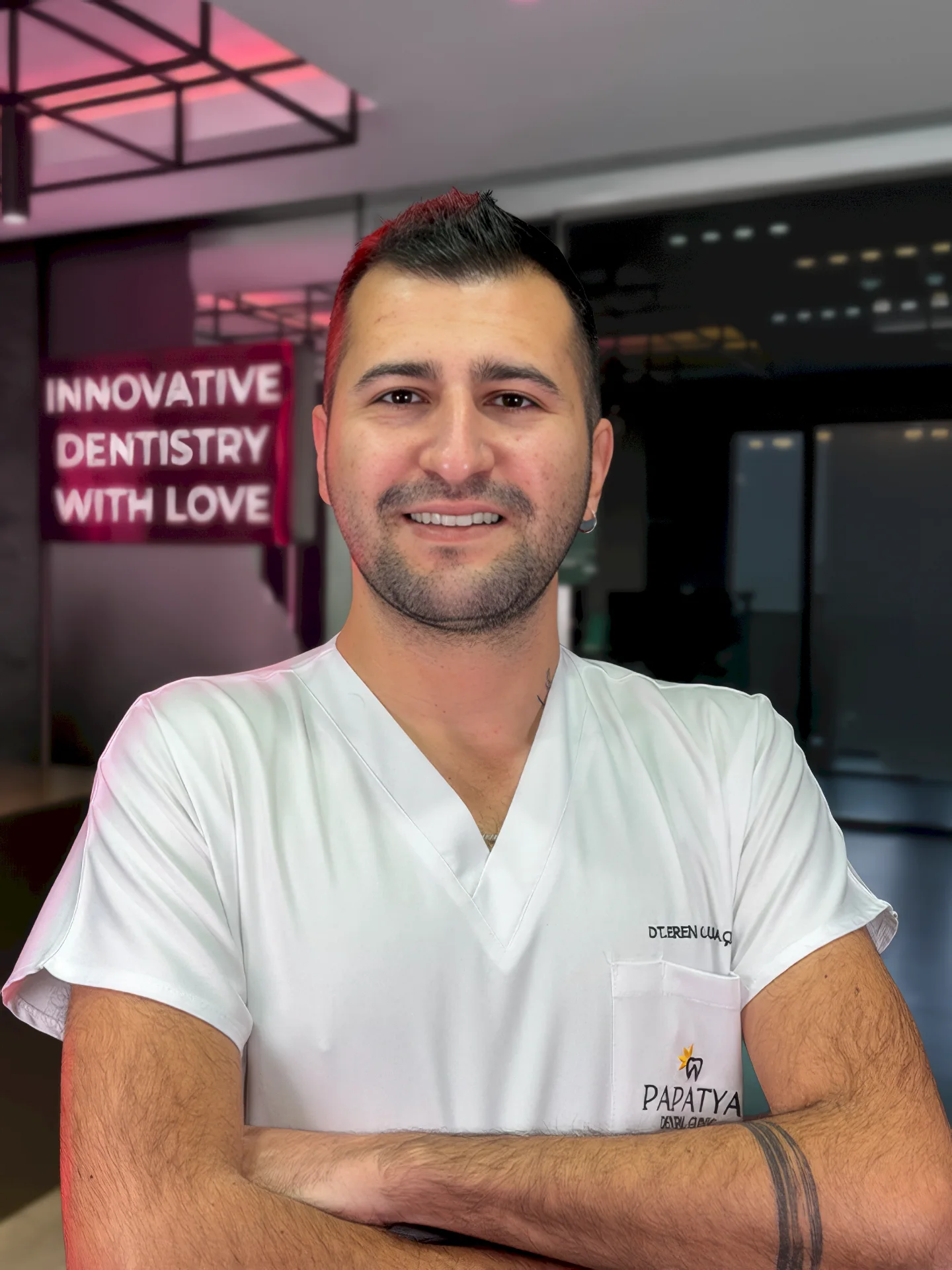
Eren Koluaçık
Cosmetic Dentist
View doctor profile
Şerife Nur Kerpiçci
Cosmetic Dentist
View doctor profileLast medical review: 10 August 2026